Sit quietly and see what comes
The bird hide and wildlife
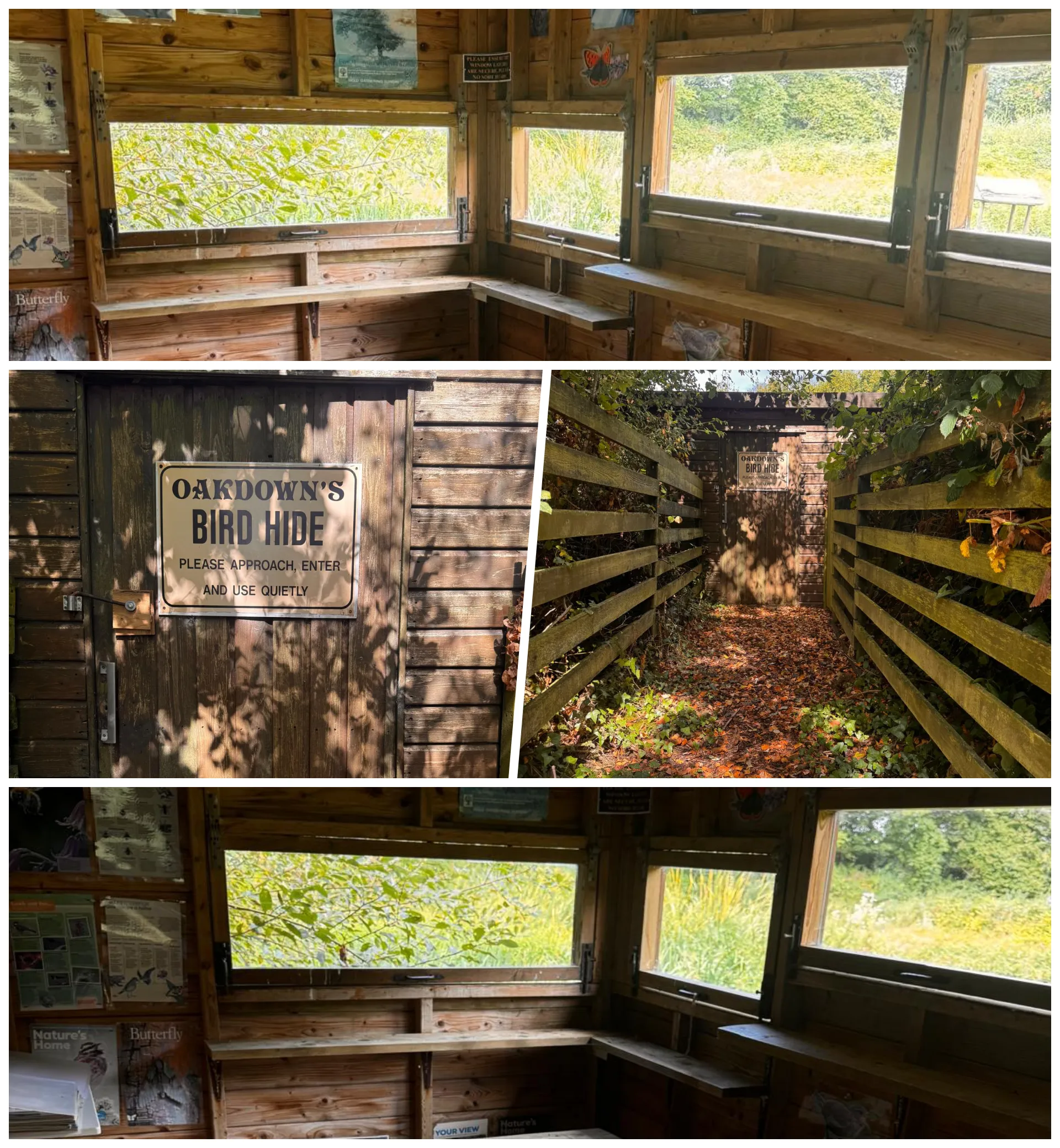
Beside our Victorian Reed Bed, on the field trail that runs along the northern boundary, there is a bird hide. It was not part of any plan. We built the Reed Bed to filter the park’s water naturally, then noticed how much wildlife the half acre of wetland was drawing in — so we put a hide beside it.
It is open to everyone staying with us, it costs nothing. It is also one of the quietest corners of the park.
Built because the wildlife came first
The hide itself
The Reed Bed went in during 1995. The park’s greywater — from sinks, showers and washing — passes through it rather than entering the drainage network untreated, filtered through pea gravel by wetland plants with no chemicals involved at any stage.
What we did not expect was how much flora and fauna a half acre of wetland would attract. So we installed the hide, stocked it with information on what you might spot if you sit quietly and patiently.
There is a book in the hide. Sightings get logged in it. Anyone can read back through what other people have seen. Some of the entries are better than others.
On the trail cameras
What people see
We run trail cameras on site. Over the years they have picked up deer, badgers, owls plus a good range of local birds — evidence that looking after the land carefully over two generations does pay off.
The hide is at its best early. Take a coffee down before the park wakes up.
“Gold — congratulations, you are doing a wonderful job. Your visitors love your park, especially the pond with bird hide. Well done!”
Professor David Bellamy
Why there is so much to see
How we encourage it
The wildlife is here because the habitat is. We work to an environmental planting plan that protects what is already growing, encourages new species to establish then replaces anything damaged or dying.
- 66 varieties of tree counted on site
- 57 wildflower species
- Bird boxes and feeding tables throughout the grounds
- Hand built insect homes, including two new bug houses
- Wildflower areas left purposely unmown for bees and other pollinators
- Tree prunings chipped for mulch, so no chemical weed control is needed
It is the work behind the David Bellamy Conservation Gold Award, which we have held every year since 1996. There is much more on our looking after our environment page.
A short walk from your pitch
Getting there
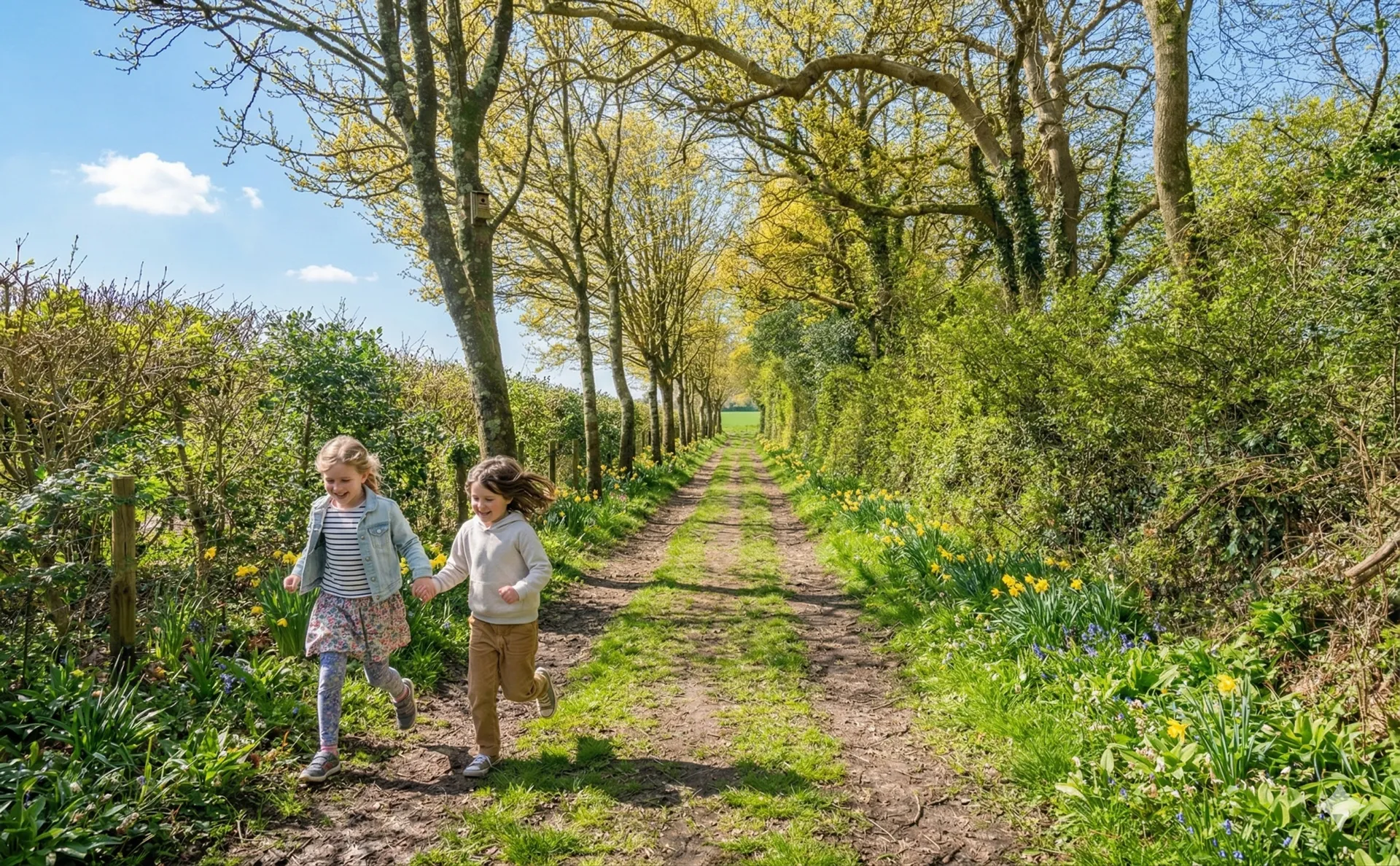
The hide sits on the private field trail that runs from the park along the northern boundary towards the Donkey Sanctuary fields. It is a proper countryside walk rather than a path beside a road, so children can run on ahead while dogs go on leads.
The trail closes at 6pm.
Everything else on the park is set out on our park facilities page.
Come and sit a while
Book your stay
The hide is free to use, open to everyone staying with us.